Buy anhaengerverleih.eu ?
We are moving the project
anhaengerverleih.eu .
Are you interested in purchasing the domain
anhaengerverleih.eu ?
domain@kv-gmbh.de · 0541-91531010
Buy anhaengerverleih.eu ?
What does 'leur' and 'lui' mean?
In French, 'leur' is a pronoun that means 'their' or 'them' when referring to a group of people or things. It is used to indicate possession or indirect object. On the other hand, 'lui' is a pronoun that means 'him' or 'her' when referring to a singular person. It is used to indicate possession or as an indirect object. **
How is "eux" or "leur" used in French?
"Eux" and "leur" are both pronouns used in French to refer to people or things. "Eux" is used as a direct object pronoun to replace a group of people or things, while "leur" is used as an indirect object pronoun to replace a group of people. For example, "Je les ai vus" (I saw them) uses "les" as a direct object pronoun, while "Je leur ai parlé" (I spoke to them) uses "leur" as an indirect object pronoun. **


Similar search terms for Leur
Top-Angebote
Products related to Leur:
-
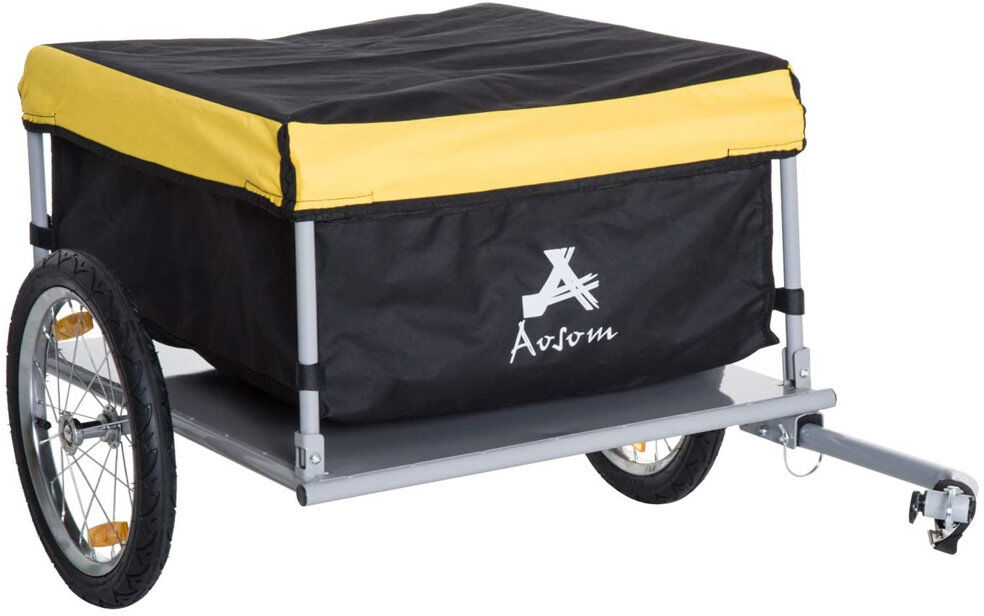
HOMCOM Vancouver Two-Wheel Bicycle Large Cargo Wagon Trailer Yellow Black;Yellow 67cm H X 73cm W X 73cm DThis cargo trailer attaches to almost any bicycle and has plenty of space for groceries, supplies, running routine errands, or your daily commute to work or school. A removable cover is included for protection, and a steel frame makes this cart durable with a weight capacity up to 40kg. HOMCOM74,99 £*Shipping: 0,00 £Secure redirect to the provider
-
PQube Sky Oceans: Wings for Hire for PlayStation 5 (Disc) - Role-Playing GameImmerse yourself in a heartfelt role-playing adventure with Sky Oceans: Wings for Hire for PlayStation 5. Inspired by classic Japanese role-playing games, this story-driven journey follows Glenn Windwalker as he assembles a spirited crew of sky pirates and stands against the powerful Alliance. Strategic airship battles require careful planning and timely use of abilities to change the course of battle. Develop your crew, improve your airships, and manage resources as the adventure unfolds. Explore a colorful world of floating settlements and diverse cultures, build a party of memorable sky pirates, and plan attacks in strategic turn-based dogfights. This physical edition is supplied on disc and is rated PEGI 12.15,49 £*Shipping: 3,95 £Secure redirect to the provider



-
How are the object pronouns lui and leur used?
The object pronouns lui and leur are used to replace indirect objects in French. Lui is used to replace singular indirect objects, while leur is used to replace plural indirect objects. These pronouns come before the verb in a sentence and agree in gender and number with the noun they are replacing. For example, "Je lui parle" means "I am talking to him/her" and "Je leur donne des cadeaux" means "I am giving them gifts." **
-
'I don't understand the use of lui and leur?'
In French, "lui" and "leur" are both used as indirect object pronouns to replace nouns that are the recipients of the action. "Lui" is used to refer to a singular masculine or feminine noun, while "leur" is used to refer to a plural noun. For example, "Je lui ai donné le livre" means "I gave him/her the book," and "Je leur ai donné les livres" means "I gave them the books." It's important to remember that these pronouns must agree in gender and number with the noun they are replacing. **
-
What is the difference between ses, leur and leurs?
Ses, leur, and leurs are all possessive adjectives in French, but they are used in different contexts. "Ses" is used to indicate possession by a singular third person, "leur" is used for a singular third person, and "leurs" is used for plural third person. For example, "ses chaussures" means "his/her shoes," "leur maison" means "their house," and "leurs voitures" means "their cars." It's important to pay attention to the number and gender of the noun being possessed in order to choose the correct possessive adjective. **
-
When do I use leur and leurs in French?
You use "leur" when you want to indicate possession or belonging for a singular noun, and "leurs" when you want to indicate possession or belonging for plural nouns. For example, "leur maison" means "their house" (singular), and "leurs voitures" means "their cars" (plural). **

How do you use the object pronouns lui and leur?
The object pronoun "lui" is used to replace indirect objects referring to a singular person, while "leur" is used to replace indirect objects referring to plural people. For example, "Je lui parle" means "I am talking to him/her" and "Je leur donne des cadeaux" means "I am giving gifts to them." These pronouns come before the verb in a sentence and help avoid repetition of the indirect object. **
What is the difference in French between 'ses' and 'leur'?
In French, 'ses' is a possessive adjective that is used to show possession for a singular noun that is masculine or feminine. It is used when referring to something that belongs to a third person. On the other hand, 'leur' is also a possessive adjective, but it is used for plural nouns. It is used when referring to something that belongs to a third person in the plural form. **
Top-Angebote
Products related to Leur:
-
Sky Oceans: Wings for Hire PC Steam CD KeySky Oceans: Wings for Hire – PC Buy Cheap Sky Oceans: Wings for Hire PC Game Overview Sky Oceans: Wings for Hire is a story‑rich JRPG‑inspired adventure set in a world of floating islands and sky pirates. Lead your crew through turn‑based aerial dogfights, explore vibrant sky regions, upgrade your airship, and uncover a heartfelt narrative about courage, friendship, and freedom. With anime‑style visuals, strategic combat, and a nostalgic tone reminiscent of classic JRPGs, this title blends exploration, character bonding, and tactical battles into a polished modern experience. This PC version includes global activation and instant digital delivery. Key Features Turn‑Based Aerial Combat Engage in strategic sky battles with positioning, abilities, and party synergy. JRPG‑Inspired Storytelling A heartfelt narrative with memorable characters and emotional moments. Explore the Open Skies Travel between floating islands, discover secrets, and meet unique factions. Crew Management Recruit sky pirates, upgrade skills, and customize your party. Airship Upgrades Improve weapons, armor, and systems to take on tougher enemies. Stylized Anime Visuals Colorful environments and expressive character art. PC Enhanced Smooth performance, controller support, and Steam features included. Who This Game Is For Perfect for players who: Enjoy JRPGs and story‑driven adventures Like turn‑based combat with tactical depth Appreciate anime‑style visuals Want exploration mixed with character progression Enjoy indie RPGs with emotional storytelling Platform Details Platform: PC Region: Global Edition: Digital Activation Code Genre: JRPG, Turn‑Based, Story‑Rich, Adventure How to Activate (PC) Log in to your Steam account. Click Add a Game → Activate a Product on Steam . Enter your Sky Oceans: Wings for Hire PC code. Download and start playing instantly.2,12 £*Shipping: 0,00 £Secure redirect to the provider
-
Uplifted Finds SucceBuy 100lbs Bicycle Pet Trailer SucceBuy 100lbs Bicycle Pet TrailerTake your furry best friend on every cycling adventure with the SucceBuy Bicycle Pet Trailer. Built for safety and durability, this trailer features a heavyduty steel frame and a reinforced floor that can easily support dogs up to 100 lbs. The...834,97 $*Shipping: 0,00 $Secure redirect to the provider
-
What does 'leur' and 'lui' mean?
In French, 'leur' is a pronoun that means 'their' or 'them' when referring to a group of people or things. It is used to indicate possession or indirect object. On the other hand, 'lui' is a pronoun that means 'him' or 'her' when referring to a singular person. It is used to indicate possession or as an indirect object. **
-
How is "eux" or "leur" used in French?
"Eux" and "leur" are both pronouns used in French to refer to people or things. "Eux" is used as a direct object pronoun to replace a group of people or things, while "leur" is used as an indirect object pronoun to replace a group of people. For example, "Je les ai vus" (I saw them) uses "les" as a direct object pronoun, while "Je leur ai parlé" (I spoke to them) uses "leur" as an indirect object pronoun. **
-
How are the object pronouns lui and leur used?
The object pronouns lui and leur are used to replace indirect objects in French. Lui is used to replace singular indirect objects, while leur is used to replace plural indirect objects. These pronouns come before the verb in a sentence and agree in gender and number with the noun they are replacing. For example, "Je lui parle" means "I am talking to him/her" and "Je leur donne des cadeaux" means "I am giving them gifts." **
-
'I don't understand the use of lui and leur?'
In French, "lui" and "leur" are both used as indirect object pronouns to replace nouns that are the recipients of the action. "Lui" is used to refer to a singular masculine or feminine noun, while "leur" is used to refer to a plural noun. For example, "Je lui ai donné le livre" means "I gave him/her the book," and "Je leur ai donné les livres" means "I gave them the books." It's important to remember that these pronouns must agree in gender and number with the noun they are replacing. **
Similar search terms for Leur
-
HOMCOM Vancouver Two-Wheel Bicycle Large Cargo Wagon Trailer Yellow Black;Yellow 67cm H X 73cm W X 73cm DThis cargo trailer attaches to almost any bicycle and has plenty of space for groceries, supplies, running routine errands, or your daily commute to work or school. A removable cover is included for protection, and a steel frame makes this cart durable with a weight capacity up to 40kg. HOMCOM74,99 £*Shipping: 0,00 £Secure redirect to the provider
-
PQube Sky Oceans: Wings for Hire for PlayStation 5 (Disc) - Role-Playing GameImmerse yourself in a heartfelt role-playing adventure with Sky Oceans: Wings for Hire for PlayStation 5. Inspired by classic Japanese role-playing games, this story-driven journey follows Glenn Windwalker as he assembles a spirited crew of sky pirates and stands against the powerful Alliance. Strategic airship battles require careful planning and timely use of abilities to change the course of battle. Develop your crew, improve your airships, and manage resources as the adventure unfolds. Explore a colorful world of floating settlements and diverse cultures, build a party of memorable sky pirates, and plan attacks in strategic turn-based dogfights. This physical edition is supplied on disc and is rated PEGI 12.15,49 £*Shipping: 3,95 £Secure redirect to the provider
-
What is the difference between ses, leur and leurs?
Ses, leur, and leurs are all possessive adjectives in French, but they are used in different contexts. "Ses" is used to indicate possession by a singular third person, "leur" is used for a singular third person, and "leurs" is used for plural third person. For example, "ses chaussures" means "his/her shoes," "leur maison" means "their house," and "leurs voitures" means "their cars." It's important to pay attention to the number and gender of the noun being possessed in order to choose the correct possessive adjective. **
-
When do I use leur and leurs in French?
You use "leur" when you want to indicate possession or belonging for a singular noun, and "leurs" when you want to indicate possession or belonging for plural nouns. For example, "leur maison" means "their house" (singular), and "leurs voitures" means "their cars" (plural). **
-
How do you use the object pronouns lui and leur?
The object pronoun "lui" is used to replace indirect objects referring to a singular person, while "leur" is used to replace indirect objects referring to plural people. For example, "Je lui parle" means "I am talking to him/her" and "Je leur donne des cadeaux" means "I am giving gifts to them." These pronouns come before the verb in a sentence and help avoid repetition of the indirect object. **
-
What is the difference in French between 'ses' and 'leur'?
In French, 'ses' is a possessive adjective that is used to show possession for a singular noun that is masculine or feminine. It is used when referring to something that belongs to a third person. On the other hand, 'leur' is also a possessive adjective, but it is used for plural nouns. It is used when referring to something that belongs to a third person in the plural form. **
* All prices are inclusive of VAT and, if applicable, plus shipping costs. The offer information is based on the details provided by the respective shop and is updated through automated processes. Real-time updates do not occur, so deviations can occur in individual cases. ** Note: Parts of this content were created by AI.