Buy anhaengerverleih.eu ?
We are moving the project
anhaengerverleih.eu .
Are you interested in purchasing the domain
anhaengerverleih.eu ?
domain@kv-gmbh.de · 0541-91531010
Buy anhaengerverleih.eu ?
What does the fuel low-pressure sensor do?
The fuel low-pressure sensor is responsible for monitoring the pressure of the fuel in the fuel system. It detects when the fuel pressure drops below a certain threshold, indicating that there may be an issue with the fuel system such as a leak or a clog. When the sensor detects low fuel pressure, it sends a signal to the vehicle's engine control unit (ECU) to alert the driver through a warning light on the dashboard. This helps prevent potential damage to the engine and ensures the vehicle operates efficiently. **
What does the low-pressure fuel sensor do?
The low-pressure fuel sensor is responsible for monitoring the fuel pressure in the fuel system of a vehicle. It detects any fluctuations or drops in fuel pressure and sends this information to the engine control unit. This data helps the engine control unit adjust the fuel delivery to ensure optimal engine performance and fuel efficiency. If the sensor detects a significant drop in fuel pressure, it can trigger a warning light on the dashboard to alert the driver of a potential issue. **
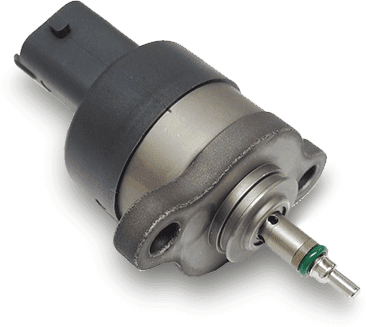
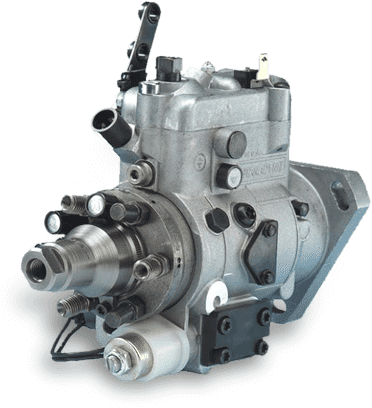
Similar search terms for ENGITECH-ENT230004-Fuel-pressure
Top-Angebote
Products related to ENGITECH-ENT230004-Fuel-pressure:

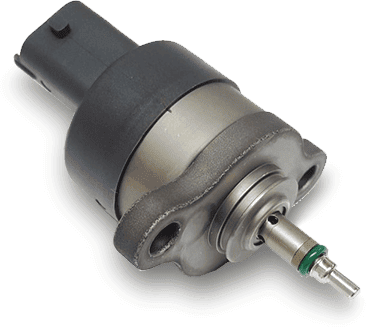
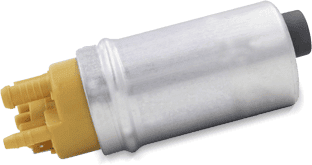

-
The trailer causes increased fuel consumption.
The increased fuel consumption caused by the trailer is due to the added weight and wind resistance it creates, requiring the vehicle to work harder to maintain speed. This extra strain on the engine leads to higher fuel consumption as more energy is needed to move the vehicle. Additionally, the trailer may also affect the aerodynamics of the vehicle, further contributing to the increased fuel usage. Regular maintenance and proper driving techniques can help mitigate some of the fuel consumption associated with towing a trailer. **
-
What is the fuel consumption of a car with a towing capacity of 22 tons for a horse trailer?
The fuel consumption of a car with a towing capacity of 22 tons for a horse trailer will depend on various factors such as the engine size, weight of the trailer, driving conditions, and speed. Generally, towing a heavy load like a 22-ton horse trailer will significantly increase fuel consumption compared to driving without a trailer. It is recommended to check the car's specifications and consult the manufacturer for more accurate information on fuel consumption when towing such a heavy load. **
-
Can drones transport cargo?
Yes, drones can transport cargo. They are being increasingly used for delivering packages, medical supplies, and other goods in various industries. Drones offer a cost-effective and efficient way to transport cargo, especially in hard-to-reach or remote areas. However, there are still regulatory challenges and technical limitations that need to be addressed for widespread adoption of drone cargo transportation. **
-
What is the fuel policy for rental cars at Avis?
Avis typically operates on a full-to-full fuel policy for rental cars. This means that you will receive the car with a full tank of gas and are expected to return it with a full tank as well. If you return the car with less fuel than when you received it, you may be charged a refueling fee at a higher rate than the current local fuel prices. It is important to check the fuel policy specific to your rental agreement when booking with Avis. **

At what pressure does air become so hot that it ignites the fuel in a diesel engine?
Air becomes so hot that it ignites the fuel in a diesel engine at a pressure of around 500 psi (pounds per square inch). This high pressure causes the air to reach temperatures of over 1,000 degrees Fahrenheit, which is hot enough to ignite the diesel fuel without the need for a spark plug. This process is known as compression ignition, and it is the key principle behind the operation of diesel engines. **
High pressure or low pressure?
High pressure systems are associated with fair weather conditions, clear skies, and light winds. Low pressure systems, on the other hand, are associated with unsettled weather, cloudiness, and precipitation. High pressure generally brings stable and calm conditions, while low pressure often brings stormy and windy weather. **
Top-Angebote
Products related to ENGITECH-ENT230004-Fuel-pressure:
-
ENGITECH ENT210018 High pressure fuel pumpFuel Type: Diesel; Observe the vehicle manufacturer specifications: ; Engine Code: DRFB, CYFA, CYRC, DRFE, CYFB, CYFD, CYRB, QVFA, QWFA, PGFA, PGFB, UHFA, UHFC, SRFA, SRFB, SRFC, SRFE, USR6, CV24, CVR5, UYR6, CVF5, CYR5, CY14, CYF5, CYFG, CY24, DRF5, DRFF, DRFG, DRR5, UHR513,49 £*Shipping: 8,45 £Secure redirect to the provider
-
What does the fuel low-pressure sensor do?
The fuel low-pressure sensor is responsible for monitoring the pressure of the fuel in the fuel system. It detects when the fuel pressure drops below a certain threshold, indicating that there may be an issue with the fuel system such as a leak or a clog. When the sensor detects low fuel pressure, it sends a signal to the vehicle's engine control unit (ECU) to alert the driver through a warning light on the dashboard. This helps prevent potential damage to the engine and ensures the vehicle operates efficiently. **
-
What does the low-pressure fuel sensor do?
The low-pressure fuel sensor is responsible for monitoring the fuel pressure in the fuel system of a vehicle. It detects any fluctuations or drops in fuel pressure and sends this information to the engine control unit. This data helps the engine control unit adjust the fuel delivery to ensure optimal engine performance and fuel efficiency. If the sensor detects a significant drop in fuel pressure, it can trigger a warning light on the dashboard to alert the driver of a potential issue. **
-
The trailer causes increased fuel consumption.
The increased fuel consumption caused by the trailer is due to the added weight and wind resistance it creates, requiring the vehicle to work harder to maintain speed. This extra strain on the engine leads to higher fuel consumption as more energy is needed to move the vehicle. Additionally, the trailer may also affect the aerodynamics of the vehicle, further contributing to the increased fuel usage. Regular maintenance and proper driving techniques can help mitigate some of the fuel consumption associated with towing a trailer. **
-
What is the fuel consumption of a car with a towing capacity of 22 tons for a horse trailer?
The fuel consumption of a car with a towing capacity of 22 tons for a horse trailer will depend on various factors such as the engine size, weight of the trailer, driving conditions, and speed. Generally, towing a heavy load like a 22-ton horse trailer will significantly increase fuel consumption compared to driving without a trailer. It is recommended to check the car's specifications and consult the manufacturer for more accurate information on fuel consumption when towing such a heavy load. **
Similar search terms for ENGITECH-ENT230004-Fuel-pressure
-
Can drones transport cargo?
Yes, drones can transport cargo. They are being increasingly used for delivering packages, medical supplies, and other goods in various industries. Drones offer a cost-effective and efficient way to transport cargo, especially in hard-to-reach or remote areas. However, there are still regulatory challenges and technical limitations that need to be addressed for widespread adoption of drone cargo transportation. **
-
What is the fuel policy for rental cars at Avis?
Avis typically operates on a full-to-full fuel policy for rental cars. This means that you will receive the car with a full tank of gas and are expected to return it with a full tank as well. If you return the car with less fuel than when you received it, you may be charged a refueling fee at a higher rate than the current local fuel prices. It is important to check the fuel policy specific to your rental agreement when booking with Avis. **
-
At what pressure does air become so hot that it ignites the fuel in a diesel engine?
Air becomes so hot that it ignites the fuel in a diesel engine at a pressure of around 500 psi (pounds per square inch). This high pressure causes the air to reach temperatures of over 1,000 degrees Fahrenheit, which is hot enough to ignite the diesel fuel without the need for a spark plug. This process is known as compression ignition, and it is the key principle behind the operation of diesel engines. **
-
High pressure or low pressure?
High pressure systems are associated with fair weather conditions, clear skies, and light winds. Low pressure systems, on the other hand, are associated with unsettled weather, cloudiness, and precipitation. High pressure generally brings stable and calm conditions, while low pressure often brings stormy and windy weather. **
* All prices are inclusive of VAT and, if applicable, plus shipping costs. The offer information is based on the details provided by the respective shop and is updated through automated processes. Real-time updates do not occur, so deviations can occur in individual cases. ** Note: Parts of this content were created by AI.