Buy anhaengerverleih.eu ?
We are moving the project
anhaengerverleih.eu .
Are you interested in purchasing the domain
anhaengerverleih.eu ?
domain@kv-gmbh.de · 0541-91531010
Buy anhaengerverleih.eu ?
What are relative clauses and conjunctional clauses?
Relative clauses are clauses that provide additional information about a noun in the main clause. They are introduced by relative pronouns such as "who," "which," "that," and "whom." For example, in the sentence "The book that I read is very interesting," the relative clause "that I read" provides more information about the noun "book." Conjunctional clauses, on the other hand, are clauses that are connected to the main clause by conjunctions such as "and," "but," "or," "if," and "because." They can express relationships such as addition, contrast, alternative, condition, and cause. For example, in the sentence "I will go to the park if the weather is nice," the conjunctional clause "if the weather is nice" expresses a condition for the action in the main clause. **
What are conjunctional clauses, relative clauses, demonstrative clauses, and infinitive clauses?
Conjunctional clauses are dependent clauses that are introduced by a conjunction, such as "because," "although," or "while." They provide additional information about the main clause in a sentence. Relative clauses are also dependent clauses that provide more information about a noun in the main clause. They are introduced by relative pronouns like "who," "which," or "that." Demonstrative clauses are dependent clauses that function as adjectives and provide more information about a noun in the main clause. They are introduced by demonstrative pronouns like "this," "that," "these," or "those." Infinitive clauses are dependent clauses that are formed with an infinitive verb (to + base form of the verb). They can function as nouns, adjectives, or adverbs in a sentence. **

Similar search terms for Conjunctional
Top-Angebote
Products related to Conjunctional:
-
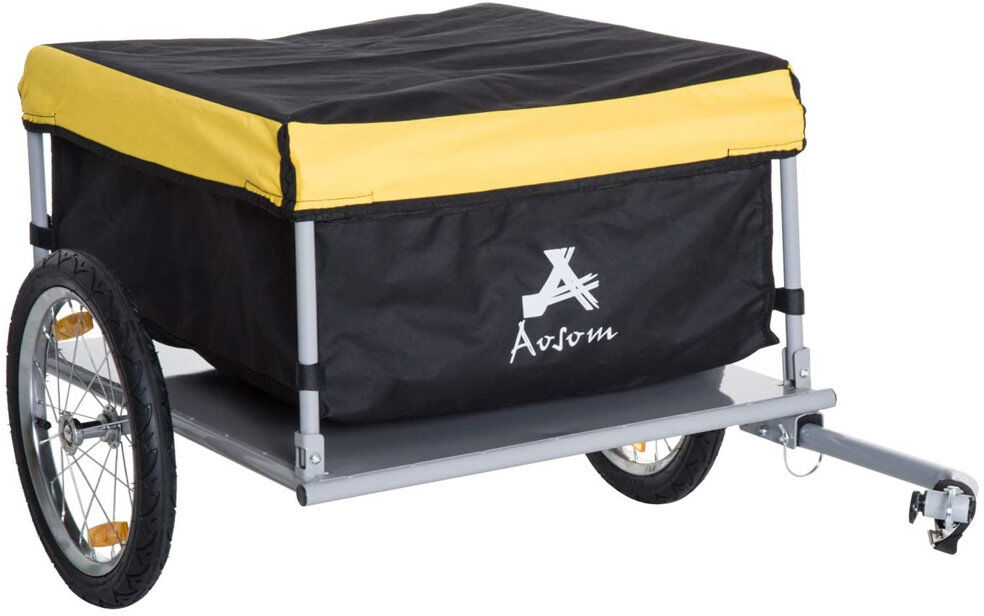
HOMCOM Vancouver Two-Wheel Bicycle Large Cargo Wagon Trailer Yellow Black;Yellow 67cm H X 73cm W X 73cm DThis cargo trailer attaches to almost any bicycle and has plenty of space for groceries, supplies, running routine errands, or your daily commute to work or school. A removable cover is included for protection, and a steel frame makes this cart durable with a weight capacity up to 40kg. HOMCOM74,99 £*Shipping: 0,00 £Secure redirect to the provider
-
PQube Sky Oceans: Wings for Hire for PlayStation 5 (Disc) - Role-Playing GameImmerse yourself in a heartfelt role-playing adventure with Sky Oceans: Wings for Hire for PlayStation 5. Inspired by classic Japanese role-playing games, this story-driven journey follows Glenn Windwalker as he assembles a spirited crew of sky pirates and stands against the powerful Alliance. Strategic airship battles require careful planning and timely use of abilities to change the course of battle. Develop your crew, improve your airships, and manage resources as the adventure unfolds. Explore a colorful world of floating settlements and diverse cultures, build a party of memorable sky pirates, and plan attacks in strategic turn-based dogfights. This physical edition is supplied on disc and is rated PEGI 12.15,49 £*Shipping: 3,95 £Secure redirect to the provider



-
What is the difference between a relative clause and a conjunctional clause?
A relative clause is a type of subordinate clause that provides additional information about a noun in the main clause. It typically begins with a relative pronoun such as "who," "which," or "that." A conjunctional clause, on the other hand, is a type of subordinate clause that functions as an adverb, connecting two independent clauses. It typically begins with a subordinating conjunction such as "because," "although," or "while." In summary, the main difference between the two is that a relative clause provides additional information about a noun, while a conjunctional clause connects two independent clauses. **
-
What is the difference between a conjunctional clause and an adverbial clause?
A conjunctional clause is a type of dependent clause that begins with a subordinating conjunction, such as "because," "although," or "while." It functions to connect the dependent clause to the independent clause and provide additional information about the main clause. An adverbial clause, on the other hand, is a type of dependent clause that functions as an adverb in the sentence, providing information about the time, place, manner, or condition of the action in the main clause. While both types of clauses are dependent and provide additional information, the key difference is that a conjunctional clause connects the dependent clause to the main clause, while an adverbial clause functions as an adverb in the sentence. **
-
How do I recognize a relative clause, a conjunctional clause, and an interrogative clause?
A relative clause typically starts with a relative pronoun (such as who, whom, whose, which, or that) and provides more information about a noun in the main clause. A conjunctional clause, on the other hand, is introduced by a conjunction (such as and, but, or because) and connects two independent clauses. An interrogative clause is a type of clause that asks a question and is typically introduced by an interrogative pronoun (such as who, what, when, where, why, or how) or an interrogative adverb (such as how, when, or where). **
-
How can I recognize a relative clause, a conjunctional clause, and an interrogative clause?
A relative clause is a type of dependent clause that typically starts with a relative pronoun (such as who, whom, whose, which, or that) and provides additional information about a noun in the main clause. A conjunctional clause, on the other hand, is a dependent clause that functions as an adverb, adjective, or noun in a sentence and is connected to the main clause by a conjunction (such as because, although, if, when, etc.). An interrogative clause is a type of clause that asks a question and typically begins with a question word (such as who, what, where, when, why, or how) or with a helping verb followed by the subject. **


Can drones transport cargo?
Yes, drones can transport cargo. They are being increasingly used for delivering packages, medical supplies, and other goods in various industries. Drones offer a cost-effective and efficient way to transport cargo, especially in hard-to-reach or remote areas. However, there are still regulatory challenges and technical limitations that need to be addressed for widespread adoption of drone cargo transportation. **
Are drones allowed to transport cargo?
Yes, drones are allowed to transport cargo in many countries, subject to certain regulations and restrictions. The use of drones for cargo transportation is becoming increasingly popular for delivering small packages, medical supplies, and other goods. However, there are strict guidelines in place to ensure safety and security, including weight limits, flight restrictions, and adherence to airspace regulations. Additionally, the use of drones for cargo transportation is subject to obtaining the necessary permits and licenses from aviation authorities. **
Top-Angebote
Products related to Conjunctional:
-
Sky Oceans: Wings for Hire PC Steam CD KeySky Oceans: Wings for Hire – PC Buy Cheap Sky Oceans: Wings for Hire PC Game Overview Sky Oceans: Wings for Hire is a story‑rich JRPG‑inspired adventure set in a world of floating islands and sky pirates. Lead your crew through turn‑based aerial dogfights, explore vibrant sky regions, upgrade your airship, and uncover a heartfelt narrative about courage, friendship, and freedom. With anime‑style visuals, strategic combat, and a nostalgic tone reminiscent of classic JRPGs, this title blends exploration, character bonding, and tactical battles into a polished modern experience. This PC version includes global activation and instant digital delivery. Key Features Turn‑Based Aerial Combat Engage in strategic sky battles with positioning, abilities, and party synergy. JRPG‑Inspired Storytelling A heartfelt narrative with memorable characters and emotional moments. Explore the Open Skies Travel between floating islands, discover secrets, and meet unique factions. Crew Management Recruit sky pirates, upgrade skills, and customize your party. Airship Upgrades Improve weapons, armor, and systems to take on tougher enemies. Stylized Anime Visuals Colorful environments and expressive character art. PC Enhanced Smooth performance, controller support, and Steam features included. Who This Game Is For Perfect for players who: Enjoy JRPGs and story‑driven adventures Like turn‑based combat with tactical depth Appreciate anime‑style visuals Want exploration mixed with character progression Enjoy indie RPGs with emotional storytelling Platform Details Platform: PC Region: Global Edition: Digital Activation Code Genre: JRPG, Turn‑Based, Story‑Rich, Adventure How to Activate (PC) Log in to your Steam account. Click Add a Game → Activate a Product on Steam . Enter your Sky Oceans: Wings for Hire PC code. Download and start playing instantly.2,12 £*Shipping: 0,00 £Secure redirect to the provider
-
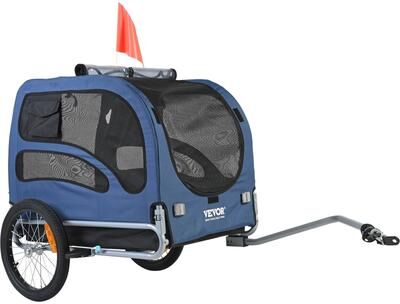
Uplifted Finds SucceBuy 100lbs Bicycle Pet Trailer SucceBuy 100lbs Bicycle Pet TrailerTake your furry best friend on every cycling adventure with the SucceBuy Bicycle Pet Trailer. Built for safety and durability, this trailer features a heavyduty steel frame and a reinforced floor that can easily support dogs up to 100 lbs. The...834,97 $*Shipping: 0,00 $Secure redirect to the provider
-
What are relative clauses and conjunctional clauses?
Relative clauses are clauses that provide additional information about a noun in the main clause. They are introduced by relative pronouns such as "who," "which," "that," and "whom." For example, in the sentence "The book that I read is very interesting," the relative clause "that I read" provides more information about the noun "book." Conjunctional clauses, on the other hand, are clauses that are connected to the main clause by conjunctions such as "and," "but," "or," "if," and "because." They can express relationships such as addition, contrast, alternative, condition, and cause. For example, in the sentence "I will go to the park if the weather is nice," the conjunctional clause "if the weather is nice" expresses a condition for the action in the main clause. **
-
What are conjunctional clauses, relative clauses, demonstrative clauses, and infinitive clauses?
Conjunctional clauses are dependent clauses that are introduced by a conjunction, such as "because," "although," or "while." They provide additional information about the main clause in a sentence. Relative clauses are also dependent clauses that provide more information about a noun in the main clause. They are introduced by relative pronouns like "who," "which," or "that." Demonstrative clauses are dependent clauses that function as adjectives and provide more information about a noun in the main clause. They are introduced by demonstrative pronouns like "this," "that," "these," or "those." Infinitive clauses are dependent clauses that are formed with an infinitive verb (to + base form of the verb). They can function as nouns, adjectives, or adverbs in a sentence. **
-
What is the difference between a relative clause and a conjunctional clause?
A relative clause is a type of subordinate clause that provides additional information about a noun in the main clause. It typically begins with a relative pronoun such as "who," "which," or "that." A conjunctional clause, on the other hand, is a type of subordinate clause that functions as an adverb, connecting two independent clauses. It typically begins with a subordinating conjunction such as "because," "although," or "while." In summary, the main difference between the two is that a relative clause provides additional information about a noun, while a conjunctional clause connects two independent clauses. **
-
What is the difference between a conjunctional clause and an adverbial clause?
A conjunctional clause is a type of dependent clause that begins with a subordinating conjunction, such as "because," "although," or "while." It functions to connect the dependent clause to the independent clause and provide additional information about the main clause. An adverbial clause, on the other hand, is a type of dependent clause that functions as an adverb in the sentence, providing information about the time, place, manner, or condition of the action in the main clause. While both types of clauses are dependent and provide additional information, the key difference is that a conjunctional clause connects the dependent clause to the main clause, while an adverbial clause functions as an adverb in the sentence. **
Similar search terms for Conjunctional
-
HOMCOM Vancouver Two-Wheel Bicycle Large Cargo Wagon Trailer Yellow Black;Yellow 67cm H X 73cm W X 73cm DThis cargo trailer attaches to almost any bicycle and has plenty of space for groceries, supplies, running routine errands, or your daily commute to work or school. A removable cover is included for protection, and a steel frame makes this cart durable with a weight capacity up to 40kg. HOMCOM74,99 £*Shipping: 0,00 £Secure redirect to the provider
-
PQube Sky Oceans: Wings for Hire for PlayStation 5 (Disc) - Role-Playing GameImmerse yourself in a heartfelt role-playing adventure with Sky Oceans: Wings for Hire for PlayStation 5. Inspired by classic Japanese role-playing games, this story-driven journey follows Glenn Windwalker as he assembles a spirited crew of sky pirates and stands against the powerful Alliance. Strategic airship battles require careful planning and timely use of abilities to change the course of battle. Develop your crew, improve your airships, and manage resources as the adventure unfolds. Explore a colorful world of floating settlements and diverse cultures, build a party of memorable sky pirates, and plan attacks in strategic turn-based dogfights. This physical edition is supplied on disc and is rated PEGI 12.15,49 £*Shipping: 3,95 £Secure redirect to the provider
-
How do I recognize a relative clause, a conjunctional clause, and an interrogative clause?
A relative clause typically starts with a relative pronoun (such as who, whom, whose, which, or that) and provides more information about a noun in the main clause. A conjunctional clause, on the other hand, is introduced by a conjunction (such as and, but, or because) and connects two independent clauses. An interrogative clause is a type of clause that asks a question and is typically introduced by an interrogative pronoun (such as who, what, when, where, why, or how) or an interrogative adverb (such as how, when, or where). **
-
How can I recognize a relative clause, a conjunctional clause, and an interrogative clause?
A relative clause is a type of dependent clause that typically starts with a relative pronoun (such as who, whom, whose, which, or that) and provides additional information about a noun in the main clause. A conjunctional clause, on the other hand, is a dependent clause that functions as an adverb, adjective, or noun in a sentence and is connected to the main clause by a conjunction (such as because, although, if, when, etc.). An interrogative clause is a type of clause that asks a question and typically begins with a question word (such as who, what, where, when, why, or how) or with a helping verb followed by the subject. **
-
Can drones transport cargo?
Yes, drones can transport cargo. They are being increasingly used for delivering packages, medical supplies, and other goods in various industries. Drones offer a cost-effective and efficient way to transport cargo, especially in hard-to-reach or remote areas. However, there are still regulatory challenges and technical limitations that need to be addressed for widespread adoption of drone cargo transportation. **
-
Are drones allowed to transport cargo?
Yes, drones are allowed to transport cargo in many countries, subject to certain regulations and restrictions. The use of drones for cargo transportation is becoming increasingly popular for delivering small packages, medical supplies, and other goods. However, there are strict guidelines in place to ensure safety and security, including weight limits, flight restrictions, and adherence to airspace regulations. Additionally, the use of drones for cargo transportation is subject to obtaining the necessary permits and licenses from aviation authorities. **
* All prices are inclusive of VAT and, if applicable, plus shipping costs. The offer information is based on the details provided by the respective shop and is updated through automated processes. Real-time updates do not occur, so deviations can occur in individual cases. ** Note: Parts of this content were created by AI.