Buy anhaengerverleih.eu ?
We are moving the project
anhaengerverleih.eu .
Are you interested in purchasing the domain
anhaengerverleih.eu ?
domain@kv-gmbh.de · 0541-91531010
Buy anhaengerverleih.eu ?
What does a turbocharger have to do with a common-rail diesel engine?
A turbocharger is a component often found in common-rail diesel engines. It works by compressing the air entering the engine, which allows for more air to be mixed with fuel, resulting in a more powerful combustion process. This increased air intake and combustion efficiency help improve the engine's overall performance, fuel efficiency, and power output. In common-rail diesel engines, the turbocharger plays a crucial role in maximizing the engine's efficiency and performance. **
What is the difference between a pump-nozzle injection and a common rail system?
A pump-nozzle injection system is an older technology where each fuel injector has its own pump that delivers fuel at high pressure directly into the combustion chamber. In contrast, a common rail system uses a single high-pressure pump to supply fuel to a common rail that then distributes the fuel to each injector. Common rail systems offer more precise control over fuel delivery and injection timing, resulting in better fuel efficiency and lower emissions compared to pump-nozzle systems. **

Similar search terms for Common-rail
Top-Angebote
Products related to Common-rail:
-
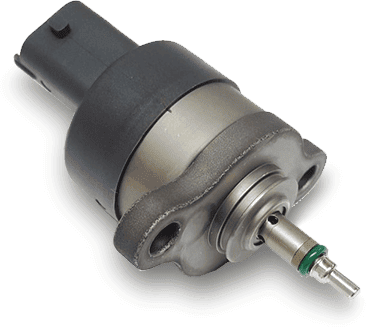
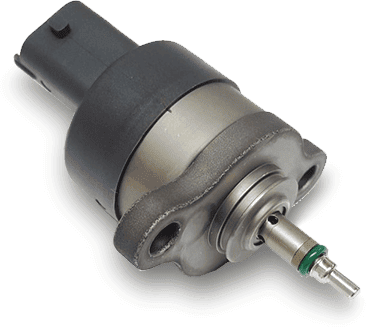
RIDEX 3996P0047 Fuel pressure regulator, common railValve Type: Control Valve; Construction Year to: 12/2016, 12/2015, 12/2014, 08/2016, 12/2017, 12/2013; TecDoc Engine Number: 26247, 26531, 31481, 34701, 23109, 22892, 24668, 22197, 31478, 31480, 23504, 23506, 23507, 26244, 35245, 22199, 31477, 22207, 26252, 35196, 35198, 22196, 31479, 23505, 26245; Construction Year from: 01/2012, 04/2007, 10/2006, 02/2010; Engine Code: M9R 782, M9R 814, M9R 858, M9R 832, M9R 83392,99 £*Shipping: 8,45 £Secure redirect to the provider
-
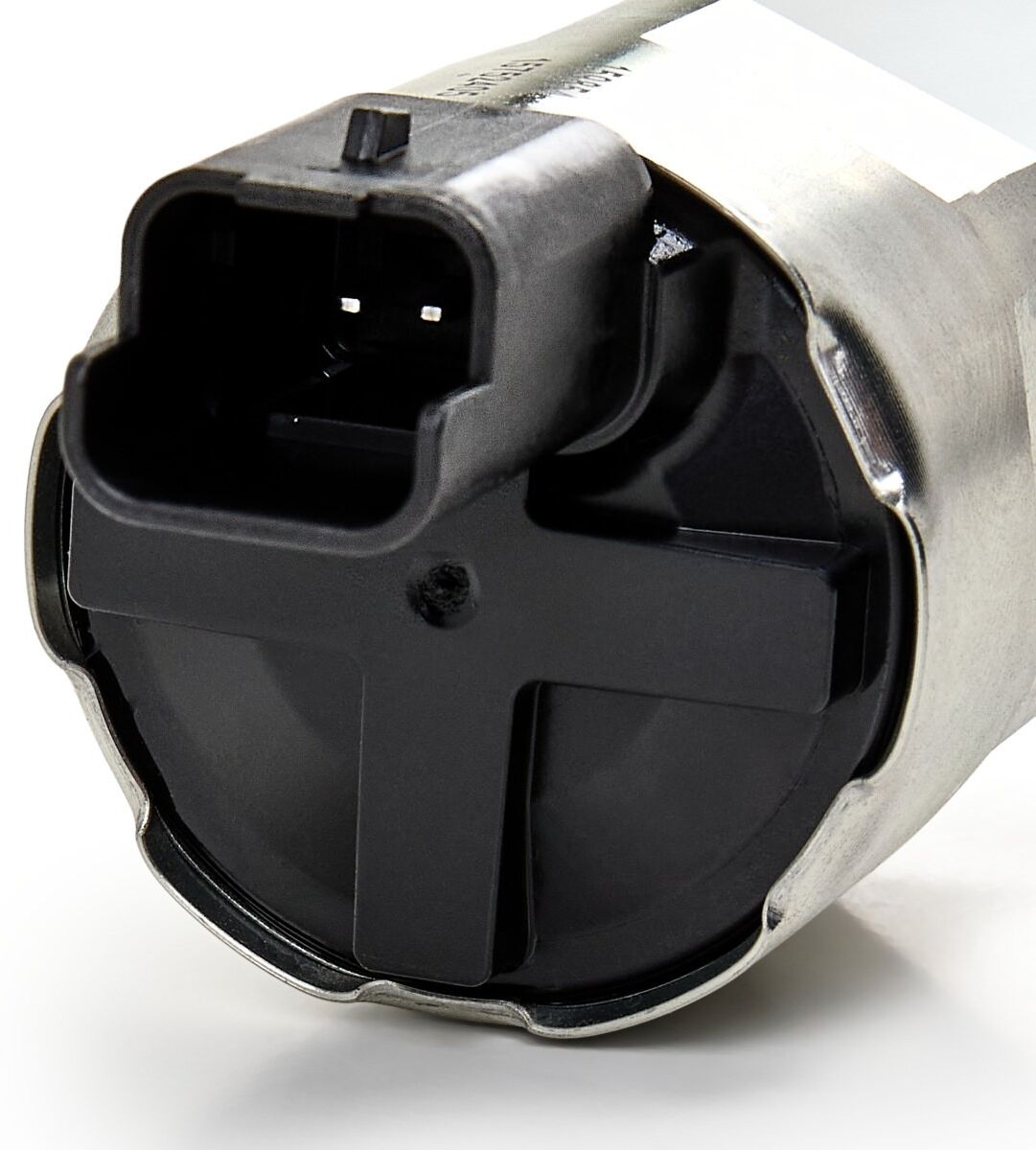
RIDEX 3996P0029 Fuel pressure regulator, common railValve Type: Solenoid Valve; Valve Type: Pressure Limiting Valve; TecDoc Engine Number: 25279, 24544, 24545; Emissions Standard: Euro 4 (D4), Euro 5; Construction Year from: 12/2010, 11/2014, 07/2013; Construction Year to: 12/2014, 07/2013, 05/2016; Vehicle Identification Number (VIN) from: NJ-F-000 00162,49 £*Shipping: 8,45 £Secure redirect to the provider

-
What is the difference between a pump-nozzle injection and a common-rail system?
A pump-nozzle injection system consists of a separate pump for each cylinder, which pressurizes the fuel and sends it directly to the injector nozzle. In contrast, a common-rail system uses a single high-pressure pump to supply fuel to a common rail that distributes it to all the injectors. The main difference is that in a pump-nozzle system, each cylinder has its own pump, while in a common-rail system, all cylinders share a common fuel supply. Common-rail systems are more efficient and precise in fuel delivery, leading to better fuel economy and lower emissions compared to pump-nozzle systems. **
-
Is the Mercedes Sprinter W903 model year 2006 equipped with Common Rail or Pumpe-Düse?
The Mercedes Sprinter W903 model year 2006 is equipped with the Pumpe-Düse (unit injector) fuel injection system. This system uses individual fuel injectors for each cylinder, which are driven by a camshaft. The Common Rail system, on the other hand, uses a high-pressure fuel rail to supply fuel to all the injectors. Therefore, the 2006 Mercedes Sprinter W903 model is equipped with the Pumpe-Düse fuel injection system. **
-
Why is freight transport by rail so unattractive in Germany?
Freight transport by rail is unattractive in Germany for several reasons. One major factor is the high costs associated with maintaining and operating the rail infrastructure. Additionally, the rail network in Germany is often congested, leading to delays and unreliable service for freight transport. Furthermore, the flexibility and convenience of road transport make it a more attractive option for many businesses. Finally, the lack of investment in modernizing and expanding the rail network has also contributed to the unattractiveness of rail freight transport in Germany. **
-
Does the Sunday driving ban also apply to rail freight transport?
No, the Sunday driving ban does not apply to rail freight transport. The ban specifically applies to trucks and other road vehicles, but does not extend to rail transportation. Therefore, rail freight transport is not affected by the Sunday driving ban and can continue to operate as usual on Sundays. **

What improvements in rail transport are necessary for the traffic transition?
Improvements in rail transport that are necessary for the traffic transition include increasing the capacity and frequency of trains to accommodate more passengers and freight, upgrading and modernizing rail infrastructure to improve efficiency and reduce travel times, implementing advanced signaling and communication systems to enhance safety and coordination, and investing in sustainable and environmentally friendly technologies to reduce emissions and energy consumption. Additionally, integrating rail networks with other modes of transportation, such as buses and bicycles, will help create a seamless and interconnected transit system that encourages people to choose rail as their primary mode of travel. **
Which rail joints can be seen here? Floating rail joint and normal fishplate.
In the image provided, we can see a floating rail joint and a normal fishplate. The floating rail joint is designed to allow for expansion and contraction of the rails due to temperature changes, while the normal fishplate is used to join two rail sections together. Both types of rail joints play a crucial role in maintaining the integrity and stability of the railway track. **
Top-Angebote
Products related to Common-rail:
-
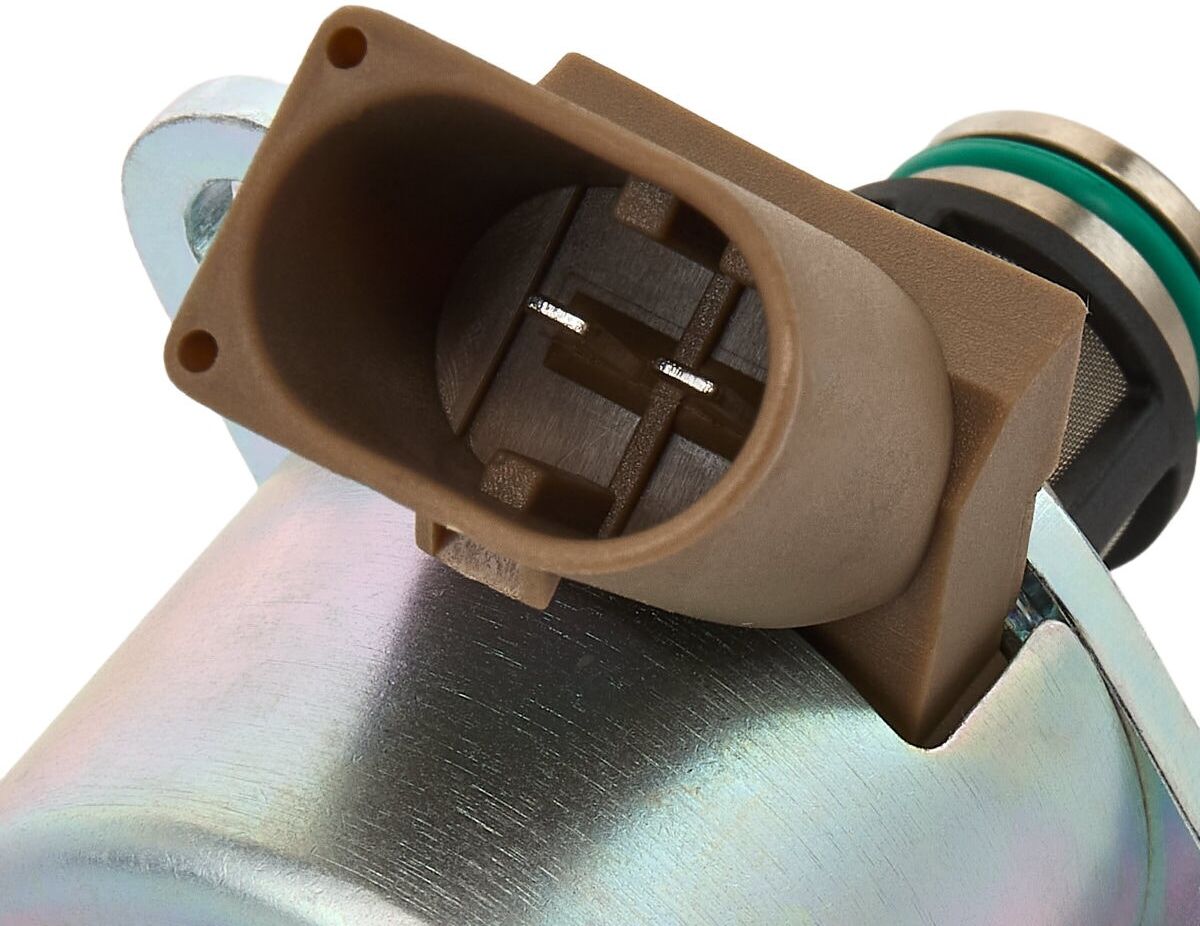
METZGER 0899168 Fuel pressure regulator, common railValve Type: Control Valve; article number of recommended accessories: A0149977045; for OE number: A6120700095, A6110700095, A6680700095, A6130700095; for special equipment code: F210, F220; Production date to: 17.02.2004; TecDoc Engine Number: 15449200,99 £*Shipping: 1,99 £Secure redirect to the provider
-
What does a turbocharger have to do with a common-rail diesel engine?
A turbocharger is a component often found in common-rail diesel engines. It works by compressing the air entering the engine, which allows for more air to be mixed with fuel, resulting in a more powerful combustion process. This increased air intake and combustion efficiency help improve the engine's overall performance, fuel efficiency, and power output. In common-rail diesel engines, the turbocharger plays a crucial role in maximizing the engine's efficiency and performance. **
-
What is the difference between a pump-nozzle injection and a common rail system?
A pump-nozzle injection system is an older technology where each fuel injector has its own pump that delivers fuel at high pressure directly into the combustion chamber. In contrast, a common rail system uses a single high-pressure pump to supply fuel to a common rail that then distributes the fuel to each injector. Common rail systems offer more precise control over fuel delivery and injection timing, resulting in better fuel efficiency and lower emissions compared to pump-nozzle systems. **
-
What is the difference between a pump-nozzle injection and a common-rail system?
A pump-nozzle injection system consists of a separate pump for each cylinder, which pressurizes the fuel and sends it directly to the injector nozzle. In contrast, a common-rail system uses a single high-pressure pump to supply fuel to a common rail that distributes it to all the injectors. The main difference is that in a pump-nozzle system, each cylinder has its own pump, while in a common-rail system, all cylinders share a common fuel supply. Common-rail systems are more efficient and precise in fuel delivery, leading to better fuel economy and lower emissions compared to pump-nozzle systems. **
-
Is the Mercedes Sprinter W903 model year 2006 equipped with Common Rail or Pumpe-Düse?
The Mercedes Sprinter W903 model year 2006 is equipped with the Pumpe-Düse (unit injector) fuel injection system. This system uses individual fuel injectors for each cylinder, which are driven by a camshaft. The Common Rail system, on the other hand, uses a high-pressure fuel rail to supply fuel to all the injectors. Therefore, the 2006 Mercedes Sprinter W903 model is equipped with the Pumpe-Düse fuel injection system. **
Similar search terms for Common-rail
-
RIDEX 3996P0047 Fuel pressure regulator, common railValve Type: Control Valve; Construction Year to: 12/2016, 12/2015, 12/2014, 08/2016, 12/2017, 12/2013; TecDoc Engine Number: 26247, 26531, 31481, 34701, 23109, 22892, 24668, 22197, 31478, 31480, 23504, 23506, 23507, 26244, 35245, 22199, 31477, 22207, 26252, 35196, 35198, 22196, 31479, 23505, 26245; Construction Year from: 01/2012, 04/2007, 10/2006, 02/2010; Engine Code: M9R 782, M9R 814, M9R 858, M9R 832, M9R 83392,99 £*Shipping: 8,45 £Secure redirect to the provider
-
RIDEX 3996P0029 Fuel pressure regulator, common railValve Type: Solenoid Valve; Valve Type: Pressure Limiting Valve; TecDoc Engine Number: 25279, 24544, 24545; Emissions Standard: Euro 4 (D4), Euro 5; Construction Year from: 12/2010, 11/2014, 07/2013; Construction Year to: 12/2014, 07/2013, 05/2016; Vehicle Identification Number (VIN) from: NJ-F-000 00162,49 £*Shipping: 8,45 £Secure redirect to the provider
-
METZGER 0899373 Fuel pressure regulator, common railValve Type: Control Valve; Fitting Position: from rail to rail; TecDoc Engine Number: 30261, 30650, 33122, 30797, 33108, 27962, 28095, 34423, 30652, 29213, 33133, 34412, 30651, 31334, 31335, 30258, 30259, 30929, 31777, 32774, 33492, 33493, 33895, 34965, 37139; for PR number: T0N, DE4, T0P, TI7, BQ1, DE2, FM1, DN4, TR1, TS3, DK7, TJ1, TD1, DE5, 7CP, 7MM; for combined PR number: TI9+7MW, TR1+7MW, TS1+7MW, FM1+7MM, TJ1+7MW, DK5+FM1+7MM, DK5+FM3+7MM, TJ1+FM1, TJ1+FM3, TR1+7MM, TR1+7CP, TR1+7CS, TS1+7MM, TS1+7CP, TS1+7CS; for model code/type code: BA5, BV5, 5G1, BQ1; Production date from: 27.04.2015; Model Year from: 2018; Production date to: 21.11.2016248,99 £*Shipping: 1,99 £Secure redirect to the provider
-
Why is freight transport by rail so unattractive in Germany?
Freight transport by rail is unattractive in Germany for several reasons. One major factor is the high costs associated with maintaining and operating the rail infrastructure. Additionally, the rail network in Germany is often congested, leading to delays and unreliable service for freight transport. Furthermore, the flexibility and convenience of road transport make it a more attractive option for many businesses. Finally, the lack of investment in modernizing and expanding the rail network has also contributed to the unattractiveness of rail freight transport in Germany. **
-
Does the Sunday driving ban also apply to rail freight transport?
No, the Sunday driving ban does not apply to rail freight transport. The ban specifically applies to trucks and other road vehicles, but does not extend to rail transportation. Therefore, rail freight transport is not affected by the Sunday driving ban and can continue to operate as usual on Sundays. **
-
What improvements in rail transport are necessary for the traffic transition?
Improvements in rail transport that are necessary for the traffic transition include increasing the capacity and frequency of trains to accommodate more passengers and freight, upgrading and modernizing rail infrastructure to improve efficiency and reduce travel times, implementing advanced signaling and communication systems to enhance safety and coordination, and investing in sustainable and environmentally friendly technologies to reduce emissions and energy consumption. Additionally, integrating rail networks with other modes of transportation, such as buses and bicycles, will help create a seamless and interconnected transit system that encourages people to choose rail as their primary mode of travel. **
-
Which rail joints can be seen here? Floating rail joint and normal fishplate.
In the image provided, we can see a floating rail joint and a normal fishplate. The floating rail joint is designed to allow for expansion and contraction of the rails due to temperature changes, while the normal fishplate is used to join two rail sections together. Both types of rail joints play a crucial role in maintaining the integrity and stability of the railway track. **
* All prices are inclusive of VAT and, if applicable, plus shipping costs. The offer information is based on the details provided by the respective shop and is updated through automated processes. Real-time updates do not occur, so deviations can occur in individual cases. ** Note: Parts of this content were created by AI.